• The site migration is complete! Hopefully everything transferred properly from the multiple decades old software we were using before. If you notice any issues please let me know, thanks! Also, I'm still working on things like chatbox, etc so hopefully those will be working in the next week or two.

selliott turbo gp


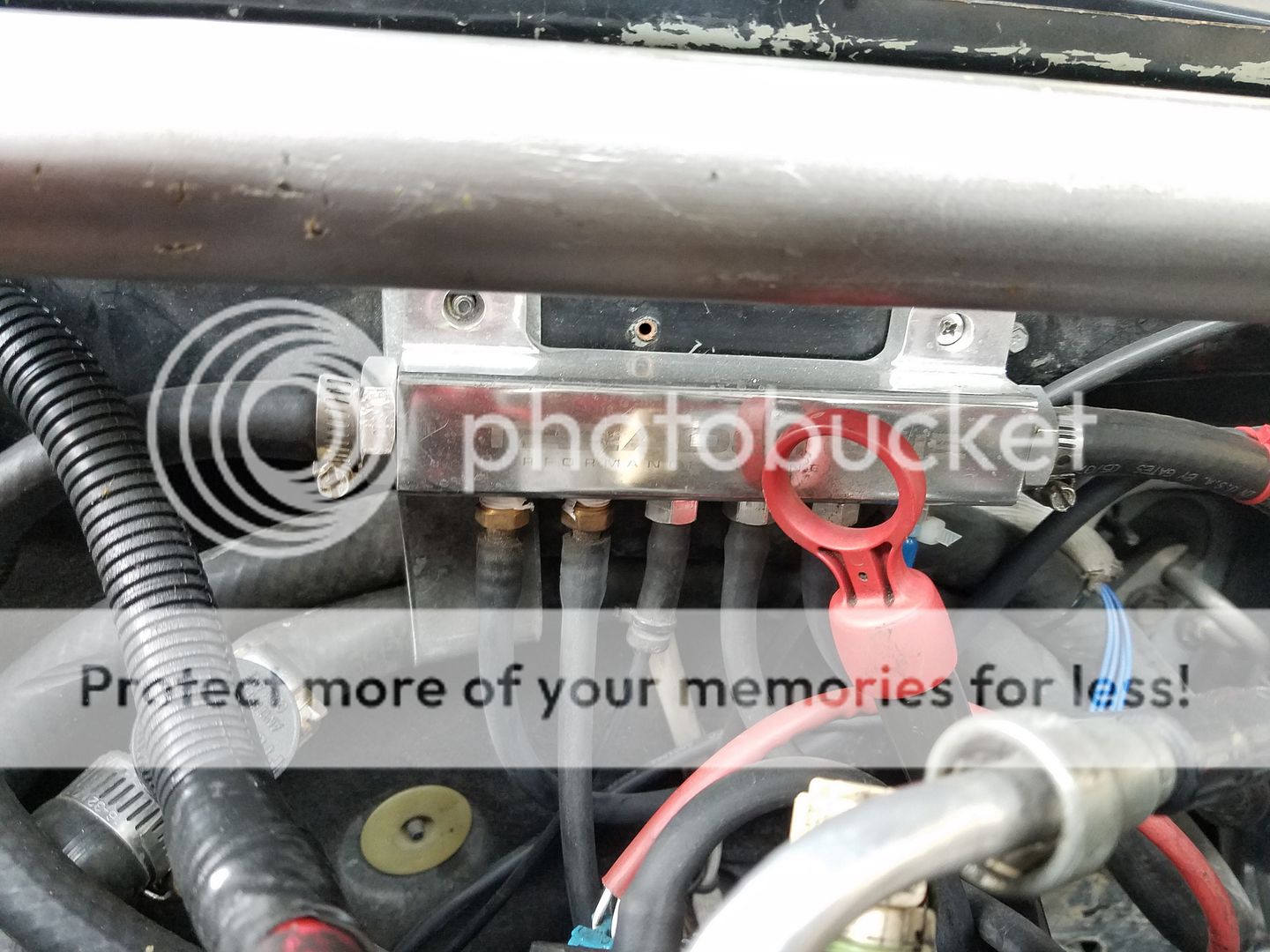
It's the dual valve catch can from rxspeedworks, the original design. That's how I had it hook but I didn't run the turbo build for very long so I didn't everything completely figured out. I didn't want to go through the hog switch stuff at the time so that's why it connects just after the air filter before boost. Running it after boost would force air into the crankcase and then goes boom. I ran the small breather because it was recommended on clubgp but I don't remember why at the moment. I posted the links to threads I went by on clubgp at the time.

0cc30cfe23ae6fe3477c0e395973d3ab.jpg


http://www.clubgp.com/newforum/tm.a...&smode=&s=&cookieCheck=456399157#5746304 <br>

http://www.clubgp.com/newforum/tm.asp?m=5774382&p=1&tmode=1&smode=1

http://www.clubgp.com/newforum/tm.asp?m=5761146&p=3&tmode=1&smode=1
 
yeah, with a hobbs switch and solenoidyou could make a sperator/pcv path under vac-100kpa and vent to atmosphere under boost.

problem is that your coating everything in oil, racecars don't like oil in chamber, the increased lubrication isn't worth it...remember the pcv system is primarily an emissions control device, burning **** it would vent to air on old cars.

granted water intrusion/condensation issue on vent to air systems might be an issue, but as long as its driven for 30-1hr stretches regularly all moisture will have time to burn away-short trips/cold running are what give you the yellow snot of water/oil in the VC/fillcap breathers.

just using the 04+ neck on a vc unit helps. I fill em with stainless dish scrubber "charrboy" wrapped in mesh aluminum door screen, this helps the oil fall out and drain back to the engine before getting to the filter. cheap and it works, catches the condensate contaminated oil in the neck for easy periodic cleaning

using a cyclonic oil/air separator is far more effective than just a large tank/air space if retaining pcv function
 
I'm confused too. Does he need to put a cap on the back of the uim? Or would that block air to the rear crankcase? Or leave it as is and not worry about the little bit of oil that gets in?

If he fills the oil cap next like you said, would he then run a line from the oil cap neck to the throttle body? I feel that it would need to be before boost though.


confirm, no manifold vac present at passenger side "pcv cap" nipple, if present, plug port. if it connects to crankcase its for the front bank passage and youll plumb it to that tank along with the OEM rear of intake vertical nipple, then the only other thing connected to vent tank is a pre turbo /post filter vent (if you don't mind detonation) or just toss that tiny filter on it.

current hose to TB vac port would be deleted/plugged.

this will vent crankcase to atmosphere with tiny filter or atmosphere pre turbo (with detonation issue)

then your done
 
you done yet?\

at least this way your still having to tune from scratch since your changing the maf. the losss in flow from the vac leak being fixed should be fairly well negated by the smaller dia id maf sensor filaments having increased air velocity
 
Depends on what you mean by "done" am I done asking questions? No probably not. Or have I done the work yet? No I'm still at work and it's raining so it will probably be tomorrow before I can get to it. Btw what/Where is the oem rear of the intake vertical nipple? I'm wondering if it's still there.


near the evap purge solenoid on the L26 intake (a boss near the TB flange at about 30* from tb flange) is a 3/8th inch stainless nipple from the factory fresh air tube going from the rear bank crankcase/head/valley to the oem SII intake tube.

the L36 uim doesn't use the nipple since its passage is internal through the TB flange/passages. the dbw doesn't allow for this


Yeah no s*** you think people would build stuff with an eye towards serviceability.

Then there's that whole thing about minimizing volume/flex (hose vs hardline) on the vacuum circuits for sensors and fuel pressure regulator to minimize response time.
 
Back
Top